

Managed Office Space vs Coworking: What Works Best for Teams?
The way businesses approach office spaces has changed dramatically over the last few years.
Today, companies are no longer looking for just desks and square footage. They’re searching for workspaces that improve productivity, simplify operations, support growth, and create a better daily experience for teams.
This is why the conversation around managed office space vs coworking has become more relevant than ever.
For startups, growing companies, agencies, consulting firms, and operational teams, choosing the right workspace model directly impacts:
- Team productivity
- Collaboration and privacy
- Employee experience
- Client perception
- Scalability
But with so many flexible office space solutions available today, businesses often struggle to decide: Should you choose a coworking space? Or does a managed office make more sense for your team?
The answer depends on how your business works today—and how you expect it to grow in the future.
Understanding Coworking Spaces
Coworking spaces are shared work environments where individuals and multiple companies work from the same larger office infrastructure.
Typically, coworking setups include:
- Shared desks or hot desks
- Common lounges
- Shared meeting rooms
- Community work areas
- Flexible memberships
Coworking spaces became popular because they offered affordability, flexibility, and networking opportunities—especially for freelancers, remote workers, and early-stage startups.
For small teams or individuals, coworking spaces can be a practical starting point. But as businesses grow, operational needs usually begin to change.
What Is a Managed Office Space?
A managed office is a fully serviced, ready-to-use private office environment designed specifically for one company or team.
Unlike shared coworking floors, managed offices offer:
- Dedicated private workspaces
- Branded office identity
- Controlled layouts and access
- Operational support
- Plug & Play infrastructure
- Flexible scaling options
Managed office spaces combine the convenience of flexible office solutions with the privacy and structure of a traditional office. This is why many businesses eventually shift from coworking space for teams to more structured managed office environments.
The Biggest Difference: Shared vs Dedicated Work Environments
The core difference in the coworking vs managed office conversation comes down to this: Coworking is shared. Managed offices are dedicated. That distinction impacts almost every aspect of daily work.
When Coworking Works Well
Coworking spaces are usually ideal for freelancers, solopreneurs, remote workers, and very small teams or early-stage startups testing operations. They work well when businesses:
- Need flexibility
- Want lower initial investment
- Don’t require privacy
- Operate with smaller teams
Coworking also creates opportunities for networking and casual collaboration across industries. For many businesses, it serves as an effective temporary solution during the early growth phase.
Where Coworking Starts Becoming Difficult
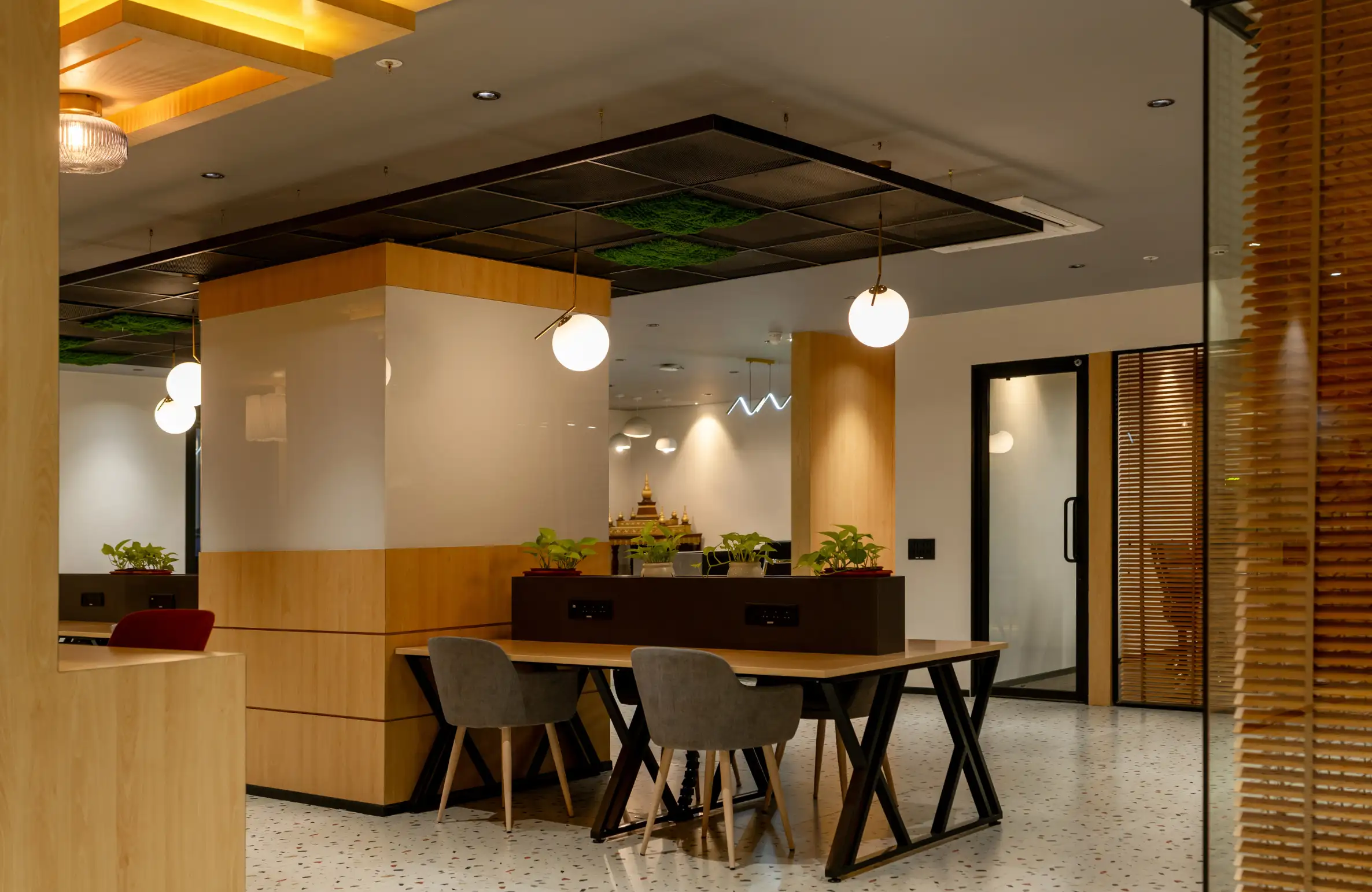
As teams grow, coworking spaces often introduce new challenges. Common issues include:
- Noise and distractions
- Limited privacy
- Shared meeting infrastructure
- Inconsistent focus environments
- Generic office identity
- Difficulty hosting clients professionally
What initially feels energetic can slowly begin affecting productivity. Important calls become harder to manage, teams struggle with uninterrupted focus, shared floors create constant movement and noise, and client meetings feel less structured. Over time, businesses begin needing more control over how work happens.
Why Managed Offices Work Better for Growing Teams
For companies with larger or scaling teams, managed offices usually create a more stable and productive work environment. The biggest managed office benefits include:
1. Privacy and Focus
In a managed office setup, your team works within its own dedicated environment. This reduces external interruptions, noise from shared floors, and constant movement around teams. Focused environments often improve productivity significantly—especially for tech teams, consulting firms, agencies, and operations-heavy businesses.
2. Branded Office Identity
One major limitation of coworking spaces is that they often feel temporary. Managed offices allow businesses to create branded entrances, custom signages, a dedicated office identity, and a stronger client-facing experience. This makes a huge difference for companies regularly hosting clients or interviews. The office starts feeling like “your company’s space,” not borrowed infrastructure.
3. Plug & Play Operational Ease
Many businesses choose managed offices because they simplify operations. Instead of managing furniture setup, internet installation, maintenance vendors, security, housekeeping, and utilities, businesses move into fully operational workspaces. This is why plug and play office spaces have become increasingly popular among startups and scaling teams.
4. Better Team Experience
Workspaces directly impact employee experience. Managed offices typically offer structured layouts, calm work environments, wellness-focused infrastructure, recreation and breakout spaces, and dedicated collaboration rooms. For teams working long hours or handling high-focus tasks, environment quality matters more than most businesses realise.
Cost Comparison: Coworking vs Managed Offices
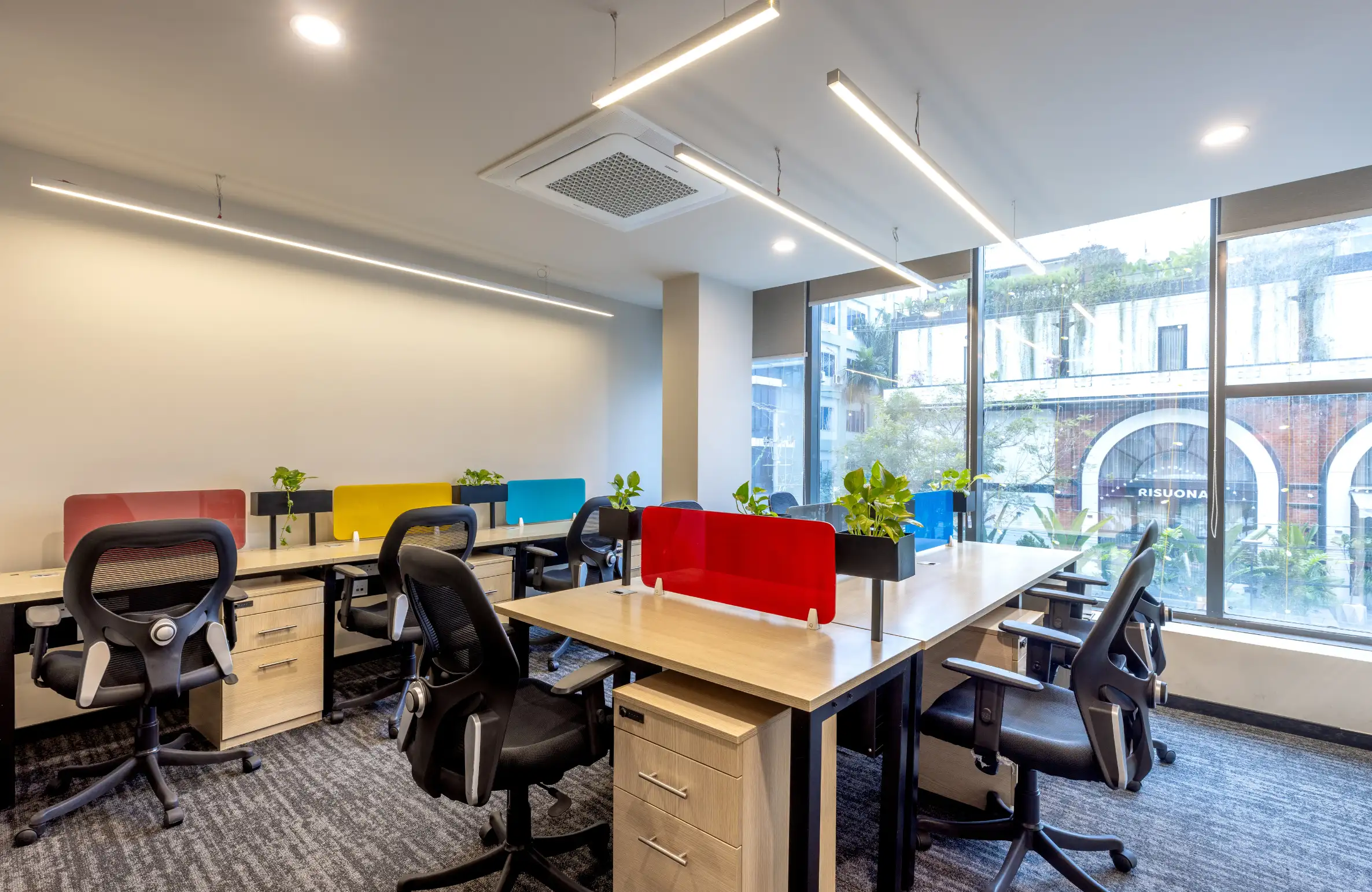
At first glance, coworking spaces may appear more affordable. But businesses should evaluate more than per-seat pricing. Coworking costs may increase over time due to additional meeting room charges, team expansion limitations, productivity loss from distractions, and a lack of operational flexibility.
Managed offices, while slightly higher in upfront cost, often reduce operational overhead, setup delays, vendor coordination, and administrative complexity. For teams larger than 10–15 people, managed offices frequently become more practical long-term business workspace solutions.
What Startups Should Choose
For very early-stage startups with small teams, limited operations, and flexible schedules, coworking can be a smart and efficient starting point.
But startups planning to scale teams quickly, meet clients regularly, build structured workflows, and create a stronger team culture usually outgrow coworking environments faster than expected. This is why many office space for startups decisions eventually shift toward managed private offices.
Shared Workspace vs Private Office: What Actually Improves Work?
The answer depends on how your team functions. If your work depends heavily on collaboration, client communication, deep focus, team coordination, and structured workflows, private managed offices generally create better long-term outcomes.
A dedicated environment removes many invisible daily frictions that slow teams down. Because productivity is not only about people—it’s also about the environment people work in.
Choosing the Right Workspace for Your Team
Before choosing between a coworking space and a managed office, businesses should ask:
- Does the team need privacy?
- How often do clients visit?
- Is focus-heavy work a priority?
- Will the team scale soon?
- How much operational responsibility does the business want to manage?
- Does the office reflect the company’s brand and work culture?
The answers usually make the right decision much clearer.
A Workspace Built Around How Teams Actually Work
At WellWork, the focus is simple: Create workspaces that support real teams—not just occupancy.
Located in Gachibowli and Ameerpet, WellWork offers wellness-led managed office spaces designed for growing businesses looking for privacy, operational ease, accessibility, and focused work environments. With:
- Plug & Play office setups
- Private branded workspaces
- Flexible workstations
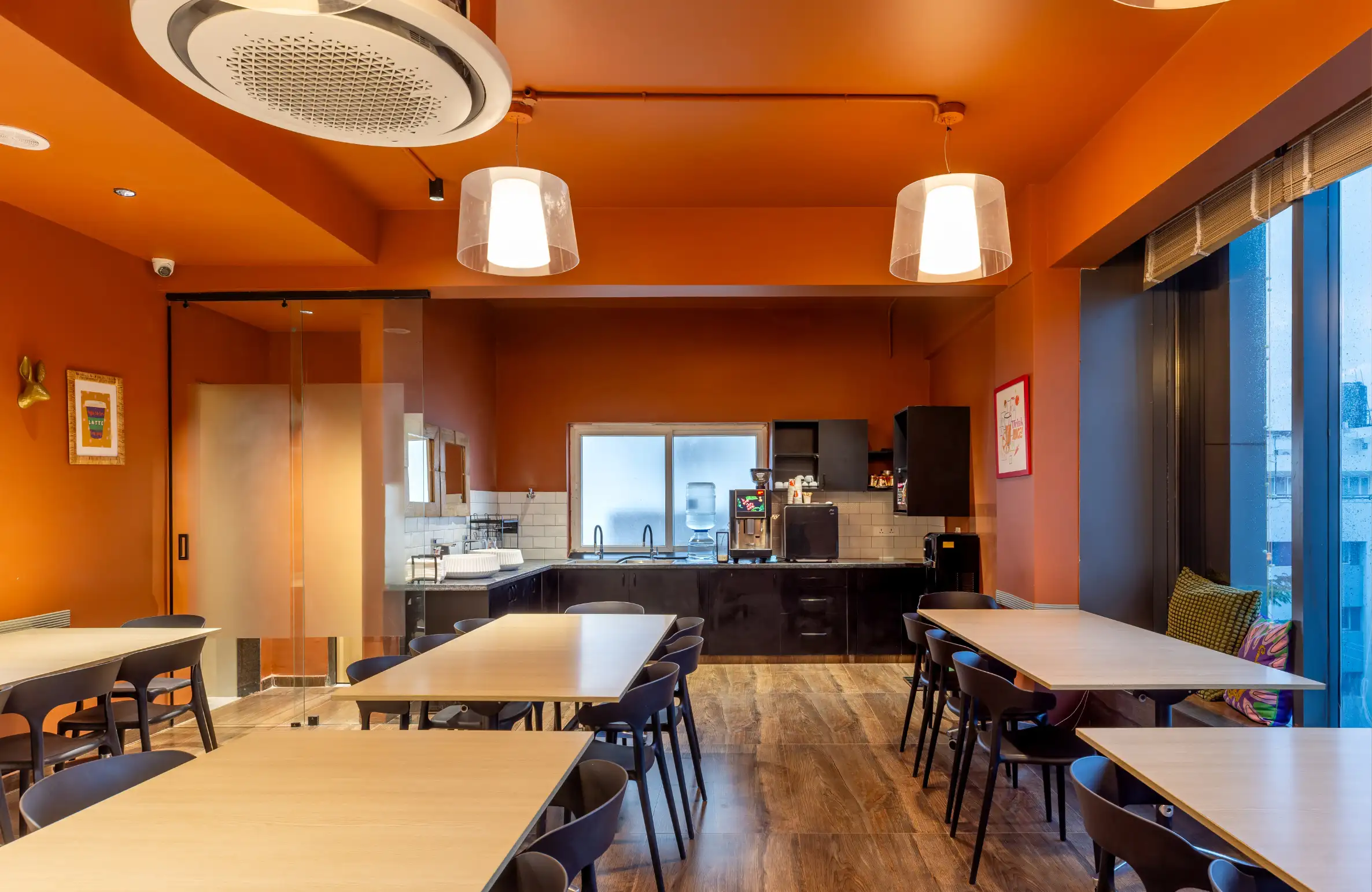
- Meeting rooms and recreation zones
- Wellness-focused infrastructure
- High-speed connectivity and metro-accessible locations
WellWork helps teams move beyond generic shared spaces and into offices designed for how businesses actually operate. Because eventually, every growing company reaches the same question: Do you just need space… or a workspace that genuinely works for your team?